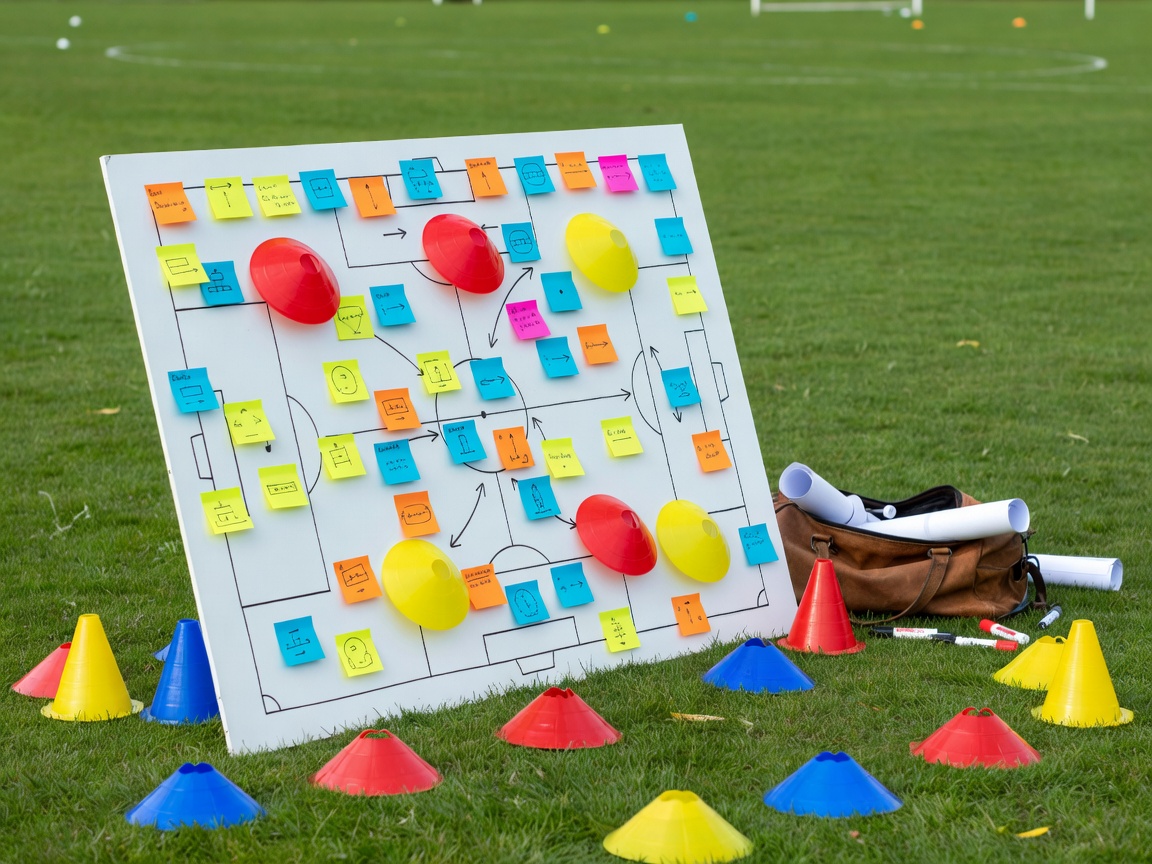
01Coaching audit and programme review
Examine session observation, participant pathways, coach deployment and decision records. The guide compares developmental review with compliance checking and explains where UK Coaching and Sport England resources can provide useful reference points.
Review the audit approach02Coach development that changes practice
Bring mentoring, communities of practice, observation and reflective conversation into one manageable offer. It considers formal qualifications from national governing bodies alongside learning that happens inside a club.
Plan coach development03Performance planning and periodisation
Connect competition demands, training cycles, athlete feedback and review points. The guide distinguishes linear, block and flexible planning without pretending that one template suits football, swimming, athletics and every other sport.
Build a useful plan04Club systems and coaching operations
Clarify who allocates coaches, approves plans, records incidents and communicates changes. It covers practical governance for community clubs, performance programmes and organisations working across several venues.
Tidy the operating system05Safeguarding, welfare and coaching culture
Put policy into everyday coaching behaviour. This guide covers the roles of the NSPCC Child Protection in Sport Unit, national governing bodies and club welfare officers, plus reporting routes and safer recruitment.
Strengthen safeguarding practice