Where should performance planning begin?
Begin with the demands of the sport and the purpose of the programme. A 100-metre sprint, a football season and an open-water swimming event pose different technical, tactical, physical and psychological problems. The competition structure also matters: one main event supports a different rhythm from frequent league fixtures.
Translate those demands into priorities that can be coached and reviewed. Avoid creating an encyclopaedia of desirable qualities. If every quality is equally important in every week, there is no plan, only a crowded calendar. Priorities should reflect the athlete’s development, training history, health context and access to facilities. Individual medical or rehabilitation decisions belong with appropriately qualified professionals.
Which periodisation model fits?
Periodisation means organising training across time. Linear approaches broadly move emphasis from general preparation towards more specific work. Block approaches concentrate related qualities within focused periods. Undulating arrangements vary emphasis more frequently. These are planning options rather than competing religions.
A model should suit competition frequency, athlete experience and the reliability of the environment. A neat long-range sequence may help an individual athlete targeting one event. Team sports with regular fixtures often need more flexible weekly adjustment. Young participants also need broad development and enjoyment; copying an adult elite structure can narrow experience too early.
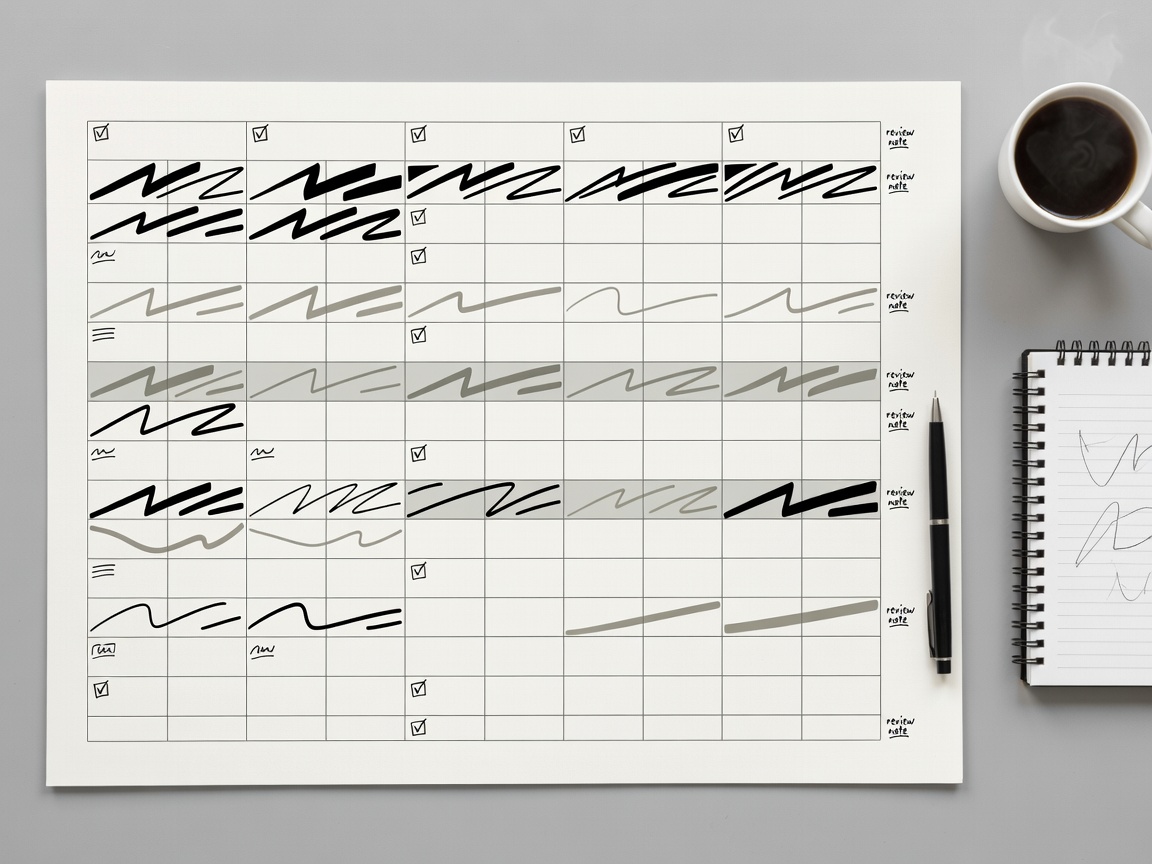
The labels matter less than the decisions underneath them: what receives emphasis, what is maintained, how recovery is protected and when progress is reviewed. A beautiful colour-coded chart can hide weak reasoning with almost professional elegance.
How do workload and recovery enter the plan?
Workload can be considered through the work prescribed and the athlete’s response. Duration, distance, repetitions and external tracking describe parts of the task. Session rating of perceived exertion, conversation, wellness information and performance responses offer different views of how the work landed. No single measure explains readiness.
Collect only information that can be interpreted and acted upon. More monitoring creates administrative and privacy costs. It may also encourage false precision. A coach should know who reviews the information, what change it can trigger and when a concern moves to medical or welfare support. Sensitive health information requires especially careful handling under UK data protection law.
How detailed should sessions be?
Enough detail should exist to preserve the session’s purpose and safety while allowing the coach to respond. Objectives, main tasks, intended intensity, equipment, timing and adaptation options are commonly useful. A script for every sentence is usually not.
Build alternatives before they are needed. What changes if fewer participants attend, a facility is unavailable or the group learns faster than expected? In football, a smaller playing area may alter pressure and decision time. In swimming, lane space and mixed pacing can reshape the task. In athletics, weather and facility access may affect safe technical work. Alternatives should retain the intended learning where possible rather than becoming unrelated filler.
What should review conversations examine?
Review whether the intended work happened, how the athlete responded and whether the underlying priority remains sound. Competition results matter, but they are influenced by opponents, conditions and chance. Process evidence may include technical execution, tactical decisions, consistency, communication and the athlete’s own account.
Uncertainty should be explicit. A change following training does not prove the plan caused it, and a disappointing result does not automatically disprove the plan. Look for patterns across relevant evidence, remain alert to alternative explanations and adjust proportionately. Frequent wholesale redesign makes it difficult to learn anything; refusing to adapt turns the original plan into furniture.
Who needs to coordinate?
Where several practitioners support an athlete, responsibilities need plain boundaries. The lead coach, strength and conditioning coach, physiotherapist, doctor, psychologist and performance analyst have distinct expertise. Information sharing should be necessary, lawful and understood by the athlete. A shared calendar can improve coordination, but it does not give everyone unrestricted access to every note.
Agree who makes the final training decision, how conflicts are discussed and what happens when health advice limits activity. In youth sport, communication with parents or carers and safeguarding arrangements must suit the participant’s age and the governing body’s requirements.
A workable planning conversation
- Define the competitive and developmental demands.
- Select a small number of current priorities.
- Choose a planning rhythm that suits the sport.
- Agree what evidence can prompt adjustment.
- Clarify professional and safeguarding boundaries.
- Schedule review before the calendar becomes ancient history.